
The People
Go Conscious Earth emerged from the people of Lake Tumba. We remain in close contact with them, seeking to know their needs and desires, and we work with them to implement projects to protect their environment and livelihoods.
Forest-dependent People
There are large communities of Bantu and Batwa (Pygmy) people living in technological simplicity here. When multinational logging or farming corporations take their lands, not only are habitats and ecosystems destroyed, but the people are left with even fewer resources to feed their families, and then often turn to harmful and unsustainable farming and fishing practices in order to survive. Most of us have never had to drink the water we wash our clothes in. Few in high income countries have lost a child to starvation or a simple preventable infection. But for the communities we work with, this is their daily reality.
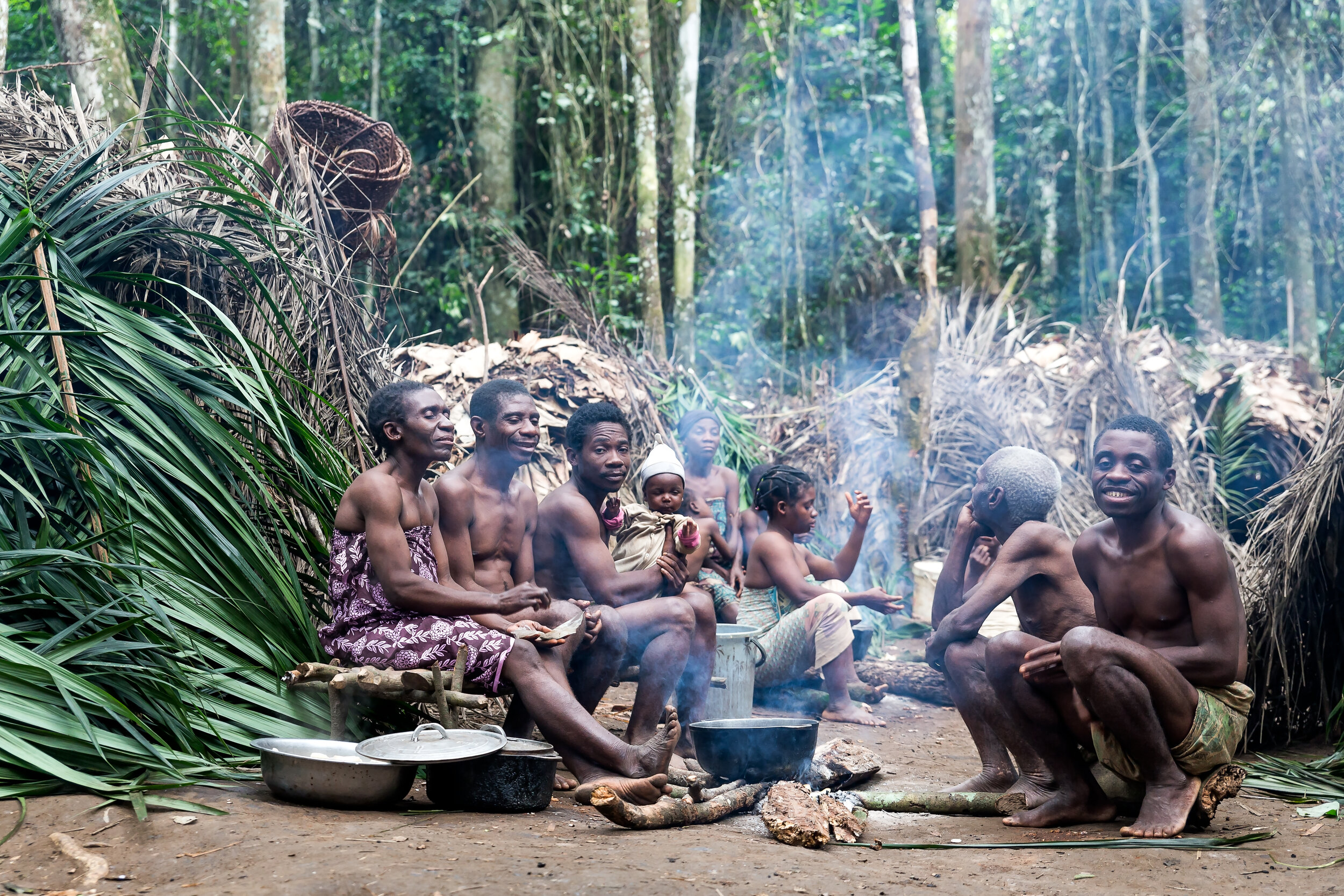
The Batwa
The main indigenous hunting and gathering people of the DRC are the Batwa. Still sometimes known as “Pygmies", and referring to themselves as “Forest People,” they number up to 100,000 in the area around Lake Tumba. For millennia they have hunted and gathered, but in the past few decades their homelands have been destroyed by industrial logging, ethnic conflicts, and encroachment from agriculturalists. learn more…
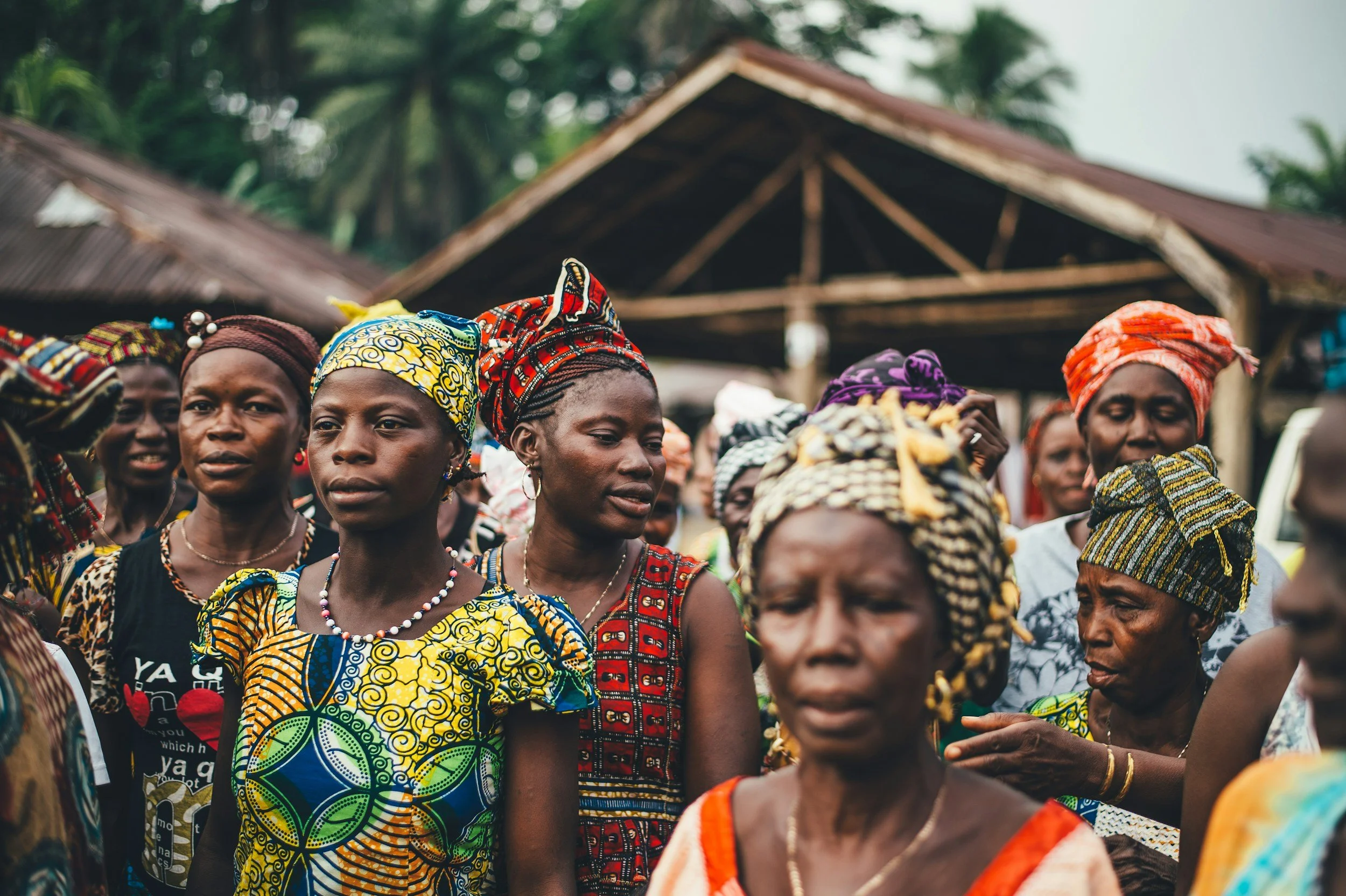
The Bantu
The Bantu communities we work with are of several Mongo sub-ethnicities living in the African equatorial forest, south of the main Congo River bend north of Kinshasa. In the area where we work, they include such groups as the Bamwe, Ibinza, Ngombe, Lokele, Ntomba, and others. The Bantu communities farm cassava, yam, and banana supplemented with wild plants, seasonal vegetables. They also hunt and trade for forest products with the neighboring Batwa. learn more…