Endangered animals
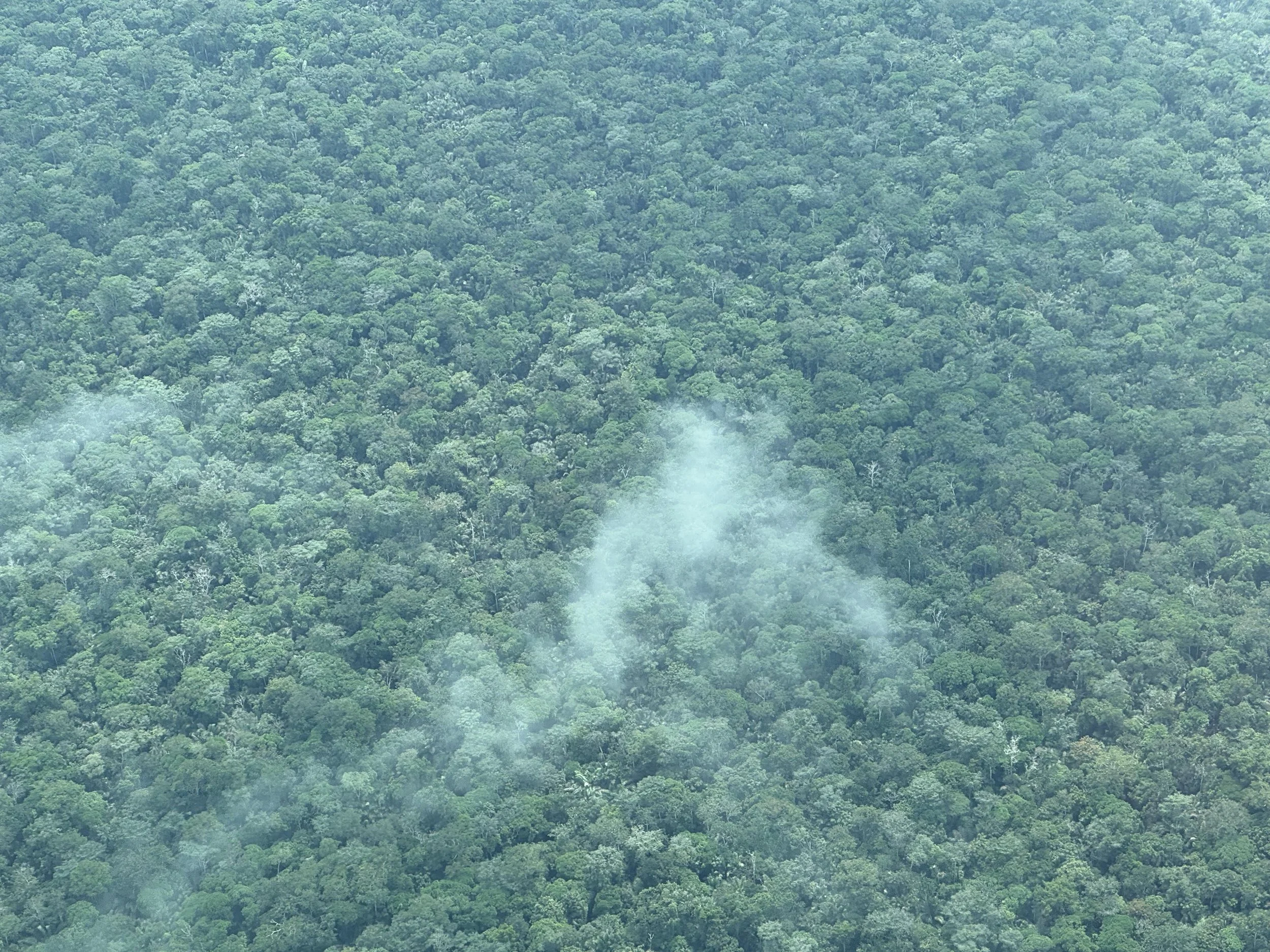
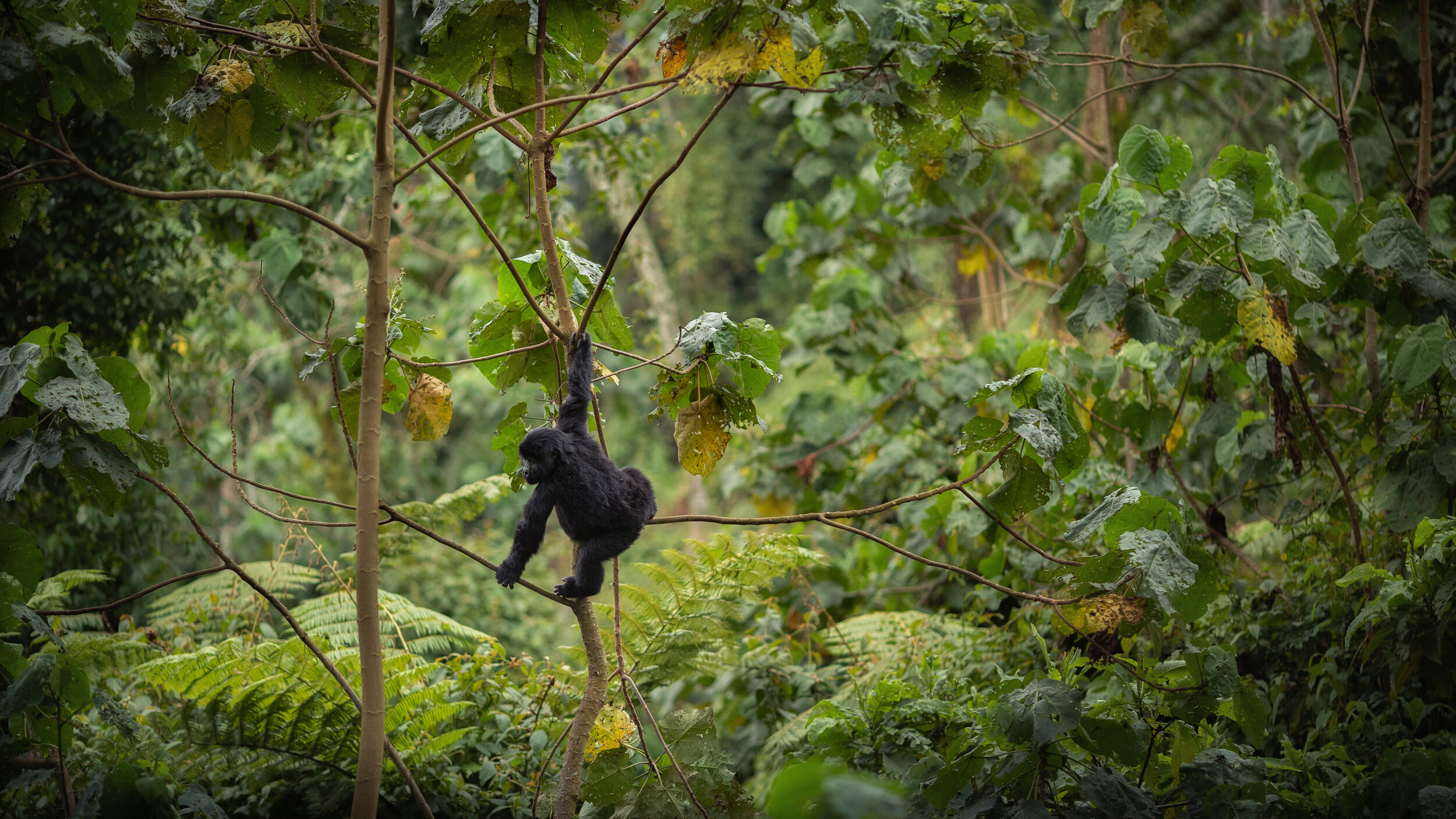
The Congo rainforest and peatland host a diverse array of animal and plant life. For some animals, like the Bonobos, it is their last known habitat.
Extraordinary biodiversity
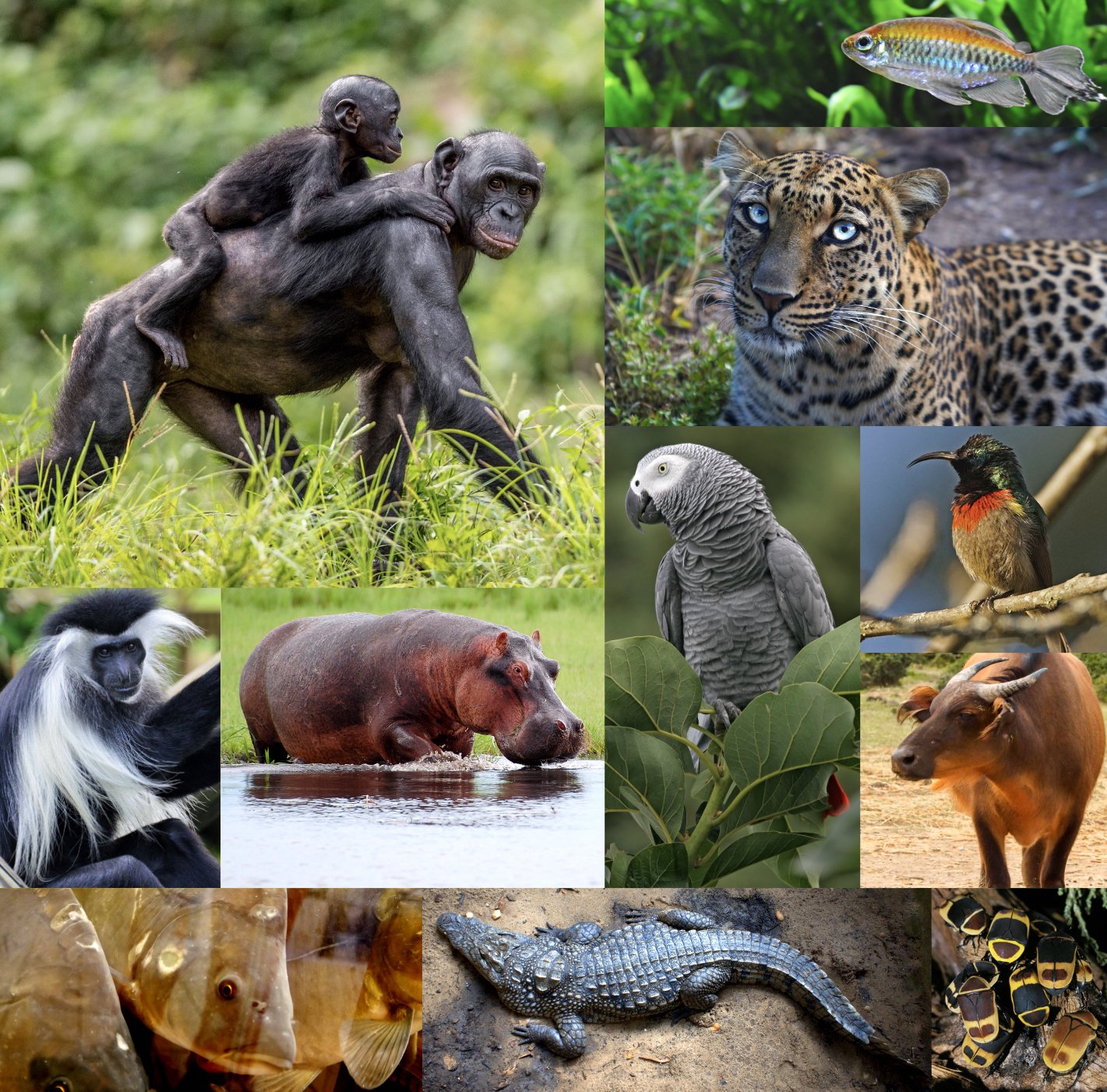
Species found in the Lake Tumba landscape include the world’s only endangered Bonobos, and other greater and lesser primates including the Angolan colobus, Allen’s swamp monkey, black mangabey, red-tailed monkey and the Brazza’s monkey, endangered forest elephant, forest buffalo, leopard, many species of fish, three types of crocodile, and the hippopotamus.
Bonobos
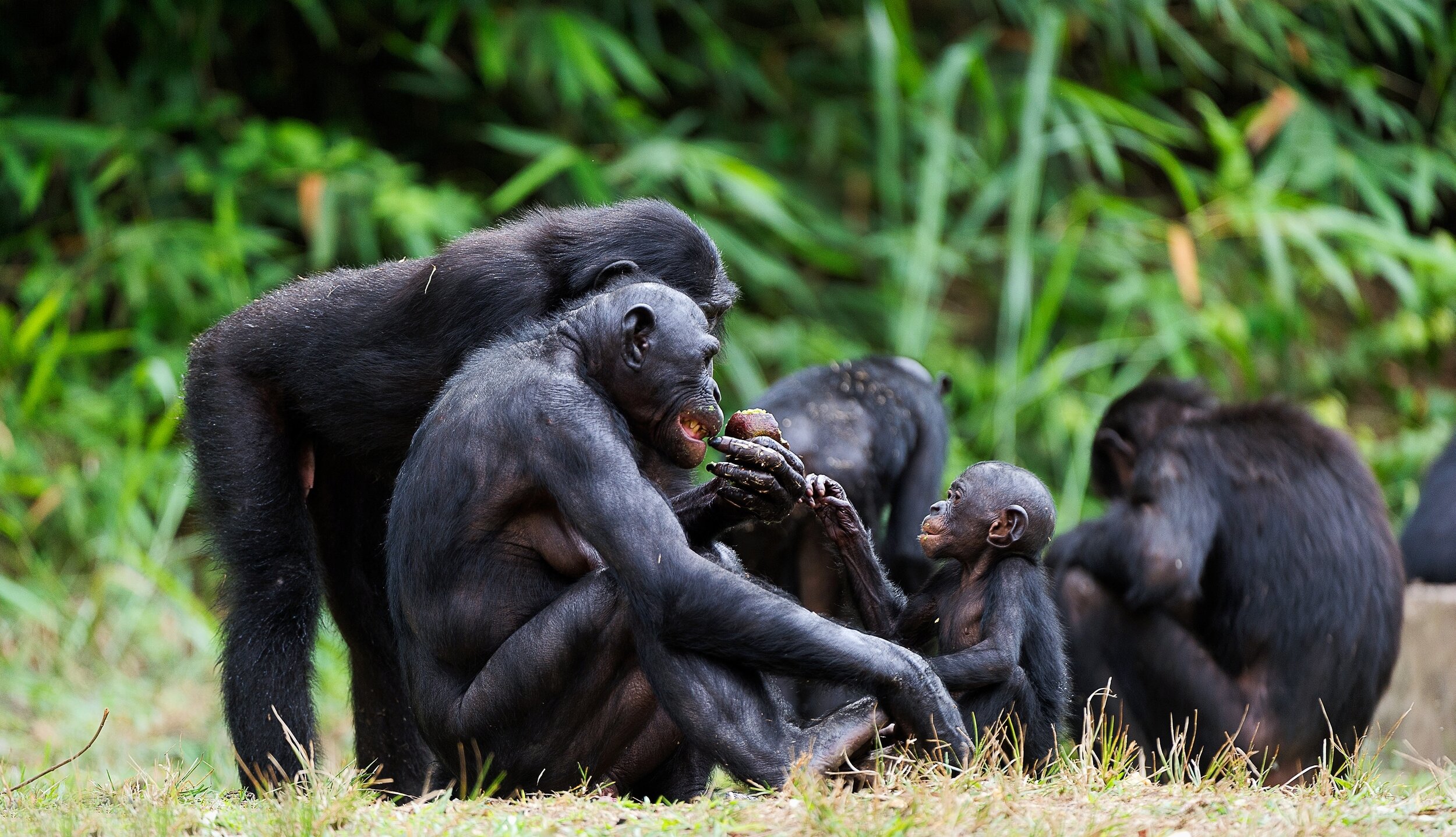
Sharing 98.7% of DNA with humans, the bonobo is our closest primate relative, alongside the chimpanzee. Endangered by habitat destruction, human population growth, and commercial poaching, bonobos live south of the Congo river. Go Conscious Earth works with several human communities around Lake Tumba to protect bonobo communities living within Community Forestry Concessions.
Forest elephants
Forest elephants are elusive, inhabiting the dense woodlands of the DRC. Smaller than savanna elephants, they are the most diminutive of elephant species, reaching a shoulder height less than 8 feet. Living in family groups of up to 20 individuals, and foraging on leaves, fruit, nuts, and tree bark, the forest elephant fulfills it’s role as ecological “mega-gardener,” shaping the land and contributing significantly to the composition and structure of the Congo Basin Rainforest.
Forest elephants are endangered by poaching, habitat loss, and fragmentation. Go Conscious Earth works with communities to mitigate conflict between elephants and farmers, striving to find ways to keep elephants safe and farmers and their families fed.